Journal · Field guide · 3 min read
How to find a campsite in August without booking in January
Every January somebody tells my family that the coast is full. It is a remarkable thing to know in January. The coast at that moment is grey and shut for the winter, with one man walking one dog along it, but it is full in August, because everyone who is going there in August booked it at Christmas, and the person telling you has done their duty by passing this on.
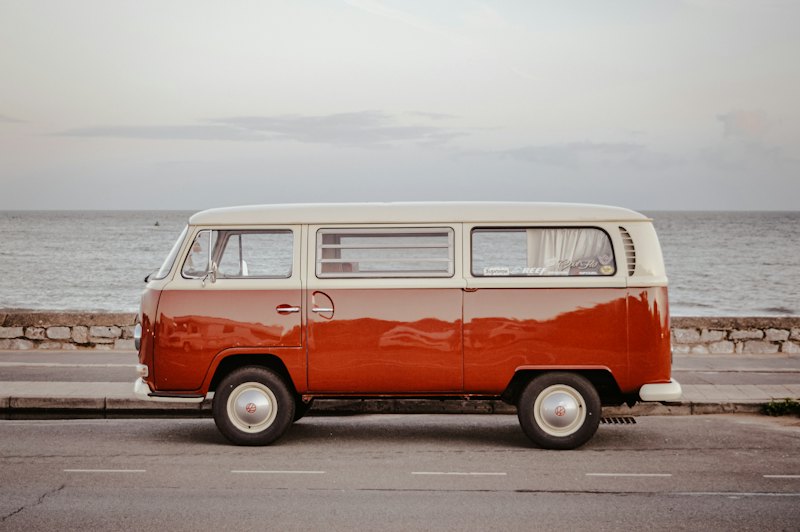
My family hardly ever books. There are four of them, two of them small, and there is a VW people carrier, and there is me, and I do not go faster than eighty kilometres an hour on any road in Europe. We end up by the sea every summer regardless. I have the sand in my carpet to prove it.
The method, if it deserves the word, is to ask small questions. A campsite on the coast in August will not give you fourteen nights. Its calendar looks like a chessboard somebody has knocked over. It will very often give you two, and once you are standing at reception with a child holding an ice cream, two nights have a way of becoming five. My family arrive on a Sunday, when everyone who lives within two hours' drive is packing up to go home. And they look half an hour inland, where the campsites with no view of the sea are quietly not full at all.
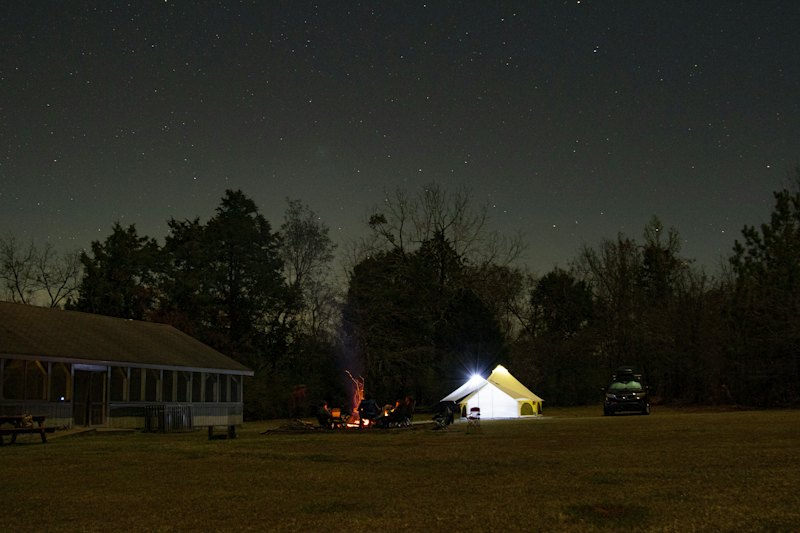
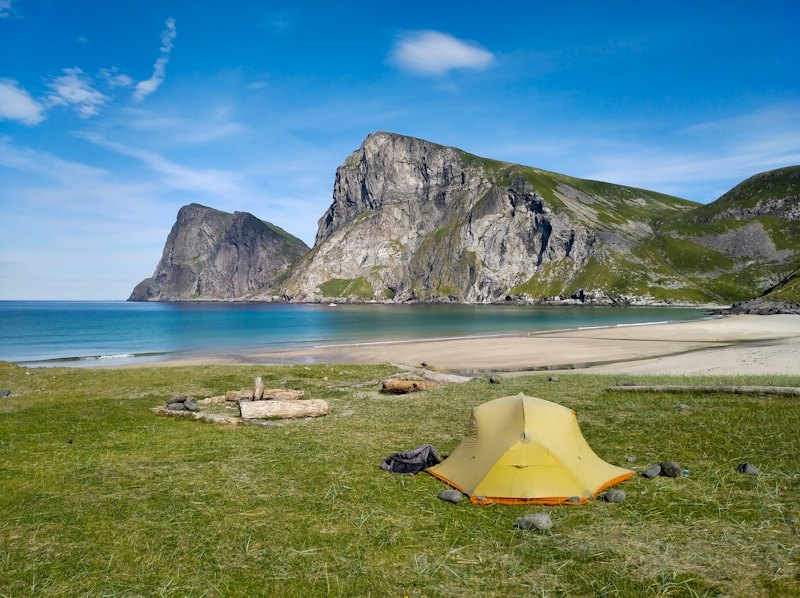
Then they take the overflow meadow. Every campsite near the sea has one: a field behind the last hedge, with a tap, no electricity and no view. The big pitches with power go first. The meadow goes last, if ever, and it suits me, since I have no heating to plug in anyway. In this one respect I am low-maintenance.
 ← The overflow meadow. Underrated.
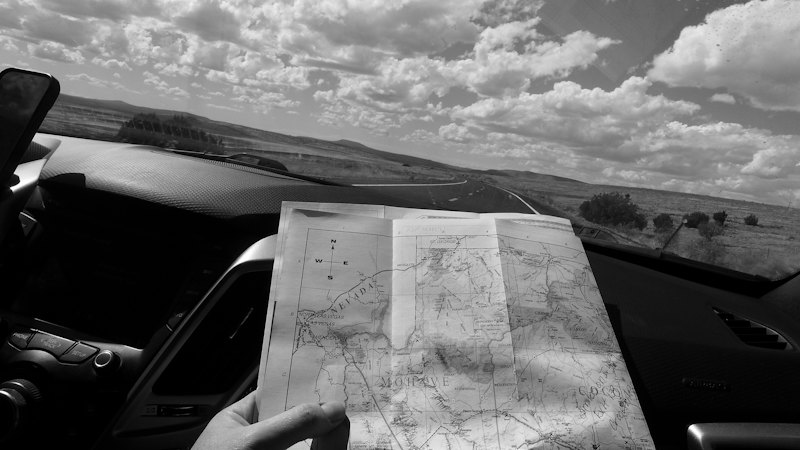
None of this is clever. What I have learned, at eighty kilometres an hour, is that high season is full of gaps. A family left a day early. A pitch went unwanted because it had no power. A campsite twenty minutes from the sea simply never came up. You will not find these by asking whether one particular campsite has room, because in August the answer is no. You find them by asking which campsites within an hour have room tonight. It is a small question, and these days somebody in the front seat asks it on the Vacamp map at a quarter to six in the morning, because the little one has been awake since half past five and somebody may as well be useful.
With children on board
- Pick tonight's campsite before the afternoon nap ends, not after.
- On a rainy day, a playground and a covered spot beat a sea view.
- Keep a board game for the rain. A caravan in the rain is smaller than it looks.
Which is how, on an afternoon in August, we come to be at the gate of a meadow with the sea somewhere behind a hedge. There is a moment on every holiday when a man who has driven all day at eighty kilometres an hour must reverse a caravan between two hedges while strangers watch. He has been dreading it since lunch. I know it. He knows it. The family in the Hymer opposite know it, because they have put down their wine.
He does it in three. He says the ground is uneven. The ground is not uneven.
The older girl is out of the car before the engine stops, deciding where we will swim tomorrow. The sea is behind the hedge, where it always is, and nobody has booked it.
I'll get there. At 80.
Elfriede